
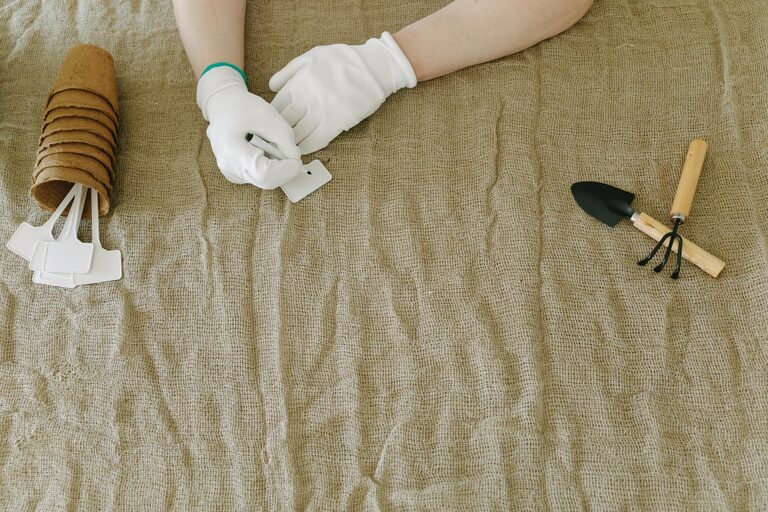
Creating a beautiful and functional garden in a limited space can feel challenging but is entirely achievable with some thoughtful planning. Whether you have a tiny backyard, a balcony, or a patio, organising your small garden effectively can help you maximise both space and enjoyment. In this post, we’ll explore practical tips and clever ideas to transform your compact outdoor area into a cosy and productive garden haven.
Assess Your Space and Plan Ahead
Before diving into planting and decorating, take stock of your garden’s size, shape, and potential. Make a simple sketch marking any permanent features like walls, sheds, or pathways. Consider how much sunlight different parts of the garden receive throughout the day because light will affect plant choices and placement.
Ask yourself what you want most from your garden:
– A relaxing retreat
– A space to entertain guests
– A productive vegetable patch
– A mix of these uses
Knowing your priorities will guide your design and help you use space more efficiently.
Use Vertical Space Wisely
When floor space is limited, think upwards. Vertical gardening not only saves ground area but also adds interest and greenery at eye level.
Options for vertical planting include:
– Wall-mounted planters: Attach pots or troughs to walls or fences.
– Trellises and climbing frames: Grow climbing plants like sweet peas, beans, or clematis.
– Hanging baskets: Use these for flowers, herbs, or small vegetables.
– Shelving units: Place tiered shelves against a wall for a variety of plants.
Vertical gardening also helps create privacy and can introduce a lush backdrop without crowding the ground.
Choose Containers That Maximise Space
Using containers allows flexibility and control over your planting. Opt for containers in different sizes and shapes to fit your space and needs.
Tips for container gardening:
– Use stackable or tiered pots to increase planting area.
– Select self-watering pots to reduce maintenance.
– Group containers to create microclimates beneficial for certain plants.
– Choose lightweight materials for easy rearranging.
Containers are perfect for growing herbs, salads, and small vegetables, especially on balconies or paved areas.
Opt for Multi-Purpose Garden Furniture
In a small garden, furniture should be functional and adaptable.
– Foldaway tables and chairs save space when not in use.
– Benches with storage offer seating plus hiding spots for tools or cushions.
– Choose pieces made from weather-resistant materials to reduce upkeep.
Having comfortable seating encourages you to spend more time enjoying your garden, while clever furniture choices avoid clutter.
Create Defined Zones
Even a small garden benefits from zoning to separate different activities or styles.
Ideas for zones include:
– A small seating or dining area
– A planting or potting corner
– A play zone if you have children or pets
– A decorative feature spot, such as a water fountain or sculpture
Use materials like decking, paving stones, or gravel to visually mark these areas. Plan paths or stepping stones so you don’t trample plants.
Select Plants to Suit Your Space
Choosing the right plants is crucial in a small garden. Look for varieties that stay compact or grow vertically rather than sprawling.
Plant selection hints:
– Choose dwarf or patio varieties of fruit and vegetables.
– Incorporate perennials and shrubs that provide structure year-round.
– Mix evergreens with seasonal flowering plants to maintain interest throughout the year.
– Use herbs which are often compact, useful, and fragrant.
Consider planting companions that support each other’s growth and deter pests naturally.
Keep Maintenance Manageable
A small garden still requires care, so keep maintenance in mind to avoid feeling overwhelmed.
Ways to simplify upkeep:
– Use mulch to reduce weeds and conserve moisture.
– Install an easy-to-use watering system, like drip irrigation or soaker hoses.
– Plan for accessibility, so you can reach all plants without difficulty.
– Prune regularly to keep plants tidy and at a manageable size.
Regular but simple tasks ensure your garden stays lively and enjoyable without taking too much time.
Add Personal Touches and Comfort
Make your garden a place you genuinely enjoy by adding elements that reflect your style and welcome comfort.
– Add outdoor lighting such as fairy lights or solar lamps for evening use.
– Display decorative pots, garden art, or cushions to create a warm atmosphere.
– Incorporate a small water feature or bird feeder to attract wildlife and create relaxing sounds.
– Use outdoor rugs or mats to define seating areas and add colour.
Personalising your garden helps turn the space into a refuge where you love to spend time.
—
Final Thoughts
Organising a small garden effectively means thoughtful planning, smart use of vertical and container space, and selecting plants and furniture that suit your lifestyle. By creating zones, minimising clutter, and personalising your area, you can enjoy your outdoor space fully — no matter how small. Remember, even the tiniest garden can be a tranquil, productive, and beautiful escape with the right approach. Happy gardening!