
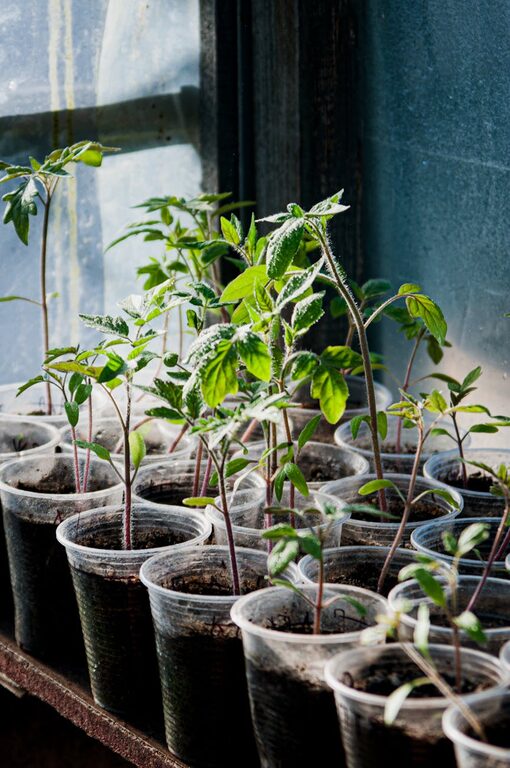
Creating a garden that is both sustainable and eco-friendly is a rewarding way to connect with nature while reducing your environmental impact. Whether you have a large backyard or a small balcony, there are many steps you can take to grow plants in a way that supports biodiversity, conserves resources, and promotes health. Here are practical tips to help you create your own green haven.
Understanding Sustainable Gardening
Sustainable gardening means cultivating plants in ways that are environmentally responsible and resource-efficient. This includes reducing waste, conserving water, avoiding harmful chemicals, and fostering a habitat for local wildlife.
Planning Your Eco-Friendly Garden
Choose Native Plants
Selecting native plants is one of the best ways to ensure your garden thrives sustainably. Native species are adapted to your region’s climate and soil, requiring less water and fewer fertilisers. They also provide food and shelter for local wildlife like bees, butterflies, and birds.
Opt for Perennials
Perennials return year after year, cutting down the need for constant replanting. This reduces soil disturbance and waste, and many perennials develop deep root systems that improve soil structure and retain moisture.
Soil Care and Composting
Build Healthy Soil Naturally
Good soil is the foundation of a sustainable garden. Avoid synthetic fertilisers and pesticides. Instead, nourish your soil with organic matter like compost, mulch, or well-rotted manure. Healthy soil supports strong plants and reduces the need for chemical interventions.
Start Composting
Composting kitchen scraps, garden waste, and leaves creates nutrient-rich humus that feeds your plants naturally. It also reduces household waste going to landfill. Even small spaces can accommodate compost bins or wormeries.
Water Management
Collect Rainwater
Installing a rainwater butt allows you to harvest rain to water your garden. This reduces reliance on mains water, saving both money and resources.
Use Water Wisely
Water plants in the early morning or late evening to reduce evaporation. Group plants with similar water needs together to avoid overwatering. Mulching around plants helps retain moisture and suppress weeds.
Avoid Chemicals
Natural Pest Control
Encourage beneficial insects such as ladybirds, lacewings and predatory beetles that naturally manage pests. Plant companion crops like marigolds or herbs that repel unwanted bugs.
Choose Organic Solutions
If pest problems escalate, opt for organic sprays or homemade remedies like garlic or chilli sprays. These are less harmful to the environment than synthetic pesticides.
Promote Biodiversity
Create Habitats
Provide habitats by adding logs, stones, and wildflower areas where local wildlife can shelter and feed. Bird feeders, bat boxes, and insect hotels also encourage biodiversity.
Plant a Variety of Species
Growing a diverse range of plants supports a wider variety of insects and animals, creating a balanced ecosystem in your garden.
Sustainable Tools and Practices
Use Eco-Friendly Materials
Opt for garden tools made from sustainable or recycled materials and maintain them well to avoid waste. When buying seeds or plants, look for those grown without chemicals.
Reuse and Recycle
Repurpose old containers, pallets, or furniture to make planters, compost bins, or garden decor. This reduces landfill waste and often adds unique charm.
Growing Your Own Food
Start a Vegetable Patch
Growing your own vegetables reduces packaging waste and food miles. Focus on seasonal and easy-to-grow crops like lettuce, radishes, tomatoes, or herbs.
Practice Crop Rotation
To keep your soil healthy and reduce pests, change the location of your crops each year. This prevents soil depletion and breaks pest cycles naturally.
—
By following these practical tips, you’ll create a sustainable, eco-friendly garden that benefits both your home and the environment. Enjoy the process and the satisfaction of contributing to a greener future!