
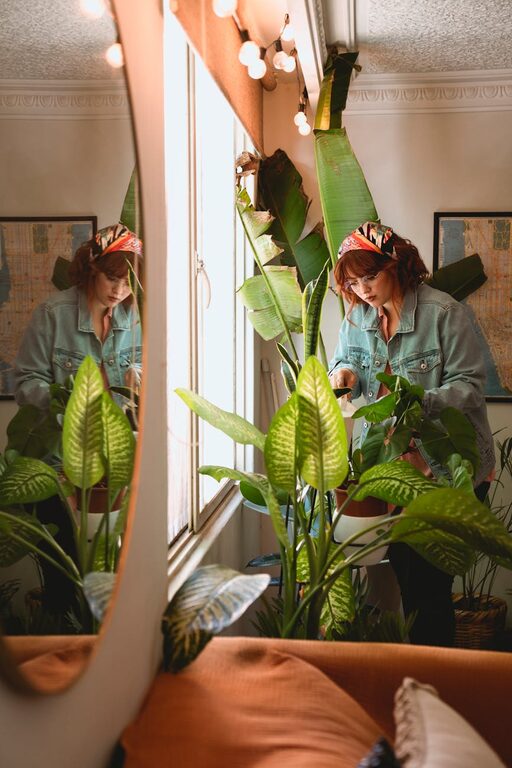
Bringing indoor plants into your home is a wonderful way to add life, colour, and even improve the air quality of your living space. Whether you’re a seasoned green thumb or just starting out, caring for indoor plants can be a rewarding hobby that transforms your environment. In this guide, we’ll explore practical tips to help your indoor plants thrive and enhance your home.
Why Indoor Plants Matter
Indoor plants don’t just look beautiful; they offer several benefits:
– They improve air quality by filtering toxins.
– Plants can reduce stress and boost mood.
– They add texture and colour, complementing your interior design.
With the right care, your plants will become a natural and calming part of your daily life.
Choosing the Right Plants for Your Space
Before you bring plants home, consider your environment and lifestyle.
Assess Light Conditions
Different plants require varying amounts of light:
– Low Light: Plants like snake plants, pothos, and ZZ plants do well in dimmer corners.
– Medium Light: Spider plants and philodendrons thrive in indirect, moderate light.
– Bright Light: Succulents and cacti prefer sunny windowsills.
Understanding your home’s light availability helps you choose plants that will prosper.
Think About Size and Maintenance
– If you have limited space, opt for compact plants or hanging pots.
– Choose plants with care levels matching your commitment. Some plants are low maintenance, while others need more attention and frequent watering.
Essential Care Tips for Indoor Plants
1. Water Wisely
Overwatering is a common mistake. Most indoor plants prefer soil that dries out slightly between waterings.
– Check soil moisture by inserting your finger about an inch deep.
– Water thoroughly until it drains from the bottom, but avoid leaving plants sitting in water.
– Adjust frequency depending on plant needs, season, and humidity.
2. Provide Proper Lighting
Even shade-loving plants benefit from some natural light.
– Rotate your pots regularly to ensure even growth.
– Clean the leaves to maximise light absorption.
– Use grow lights if natural light is insufficient, especially in darker months.
3. Choose the Right Pot and Soil
The pot impacts plant health significantly.
– Ensure good drainage holes to prevent root rot.
– Use suitable potting mix tailored for indoor plants, succulents, or orchids as needed.
– Repot your plants yearly or when they outgrow their containers.
4. Manage Humidity and Temperature
Most indoor plants prefer moderate humidity and stable temperatures.
– Avoid placing plants near radiators, heaters, or cold drafts.
– Group plants together to increase humidity or use a humidifier.
– Mist foliage occasionally, especially for tropical plants.
5. Feed Your Plants
Indoor plants need nutrients to stay healthy.
– Use a balanced, water-soluble fertiliser every 4-6 weeks during the growing season (spring and summer).
– Reduce feeding in autumn and winter when growth slows.
6. Prune and Clean Plants Regularly
– Remove dead or yellowing leaves to keep plants looking tidy.
– Prune leggy or overgrown plants to encourage bushier growth.
– Dust leaves gently with a soft cloth or shower them to improve photosynthesis.
Troubleshooting Common Plant Problems
Indoor plant care can sometimes be challenging. Here are quick tips for common issues:
– Yellow leaves: Often a sign of overwatering or poor drainage.
– Wilting: Could mean underwatering or too much direct sun.
– Pests: Look out for aphids, spider mites, or scale. Use natural remedies or insecticidal soap.
– Slow growth: May need more light, fertiliser, or repotting.
Regular observation helps catch these problems early.
Incorporating Plants into Your Living Space
Plants can serve both aesthetic and practical roles in your home:
Styling Tips
– Use varied pot sizes and styles to add interest.
– Create mini indoor gardens by grouping plants of different heights.
– Use shelves, plant stands, or hanging baskets to maximise space.
Plant Placement Ideas
– Place lush plants near seating areas to create a relaxing vibe.
– Use trailing plants like ivy on shelves or ledges.
– Position air-purifying plants in bedrooms or study rooms.
Final Thoughts
Caring for indoor plants is an enjoyable way to enrich your living space. With a bit of knowledge and routine care, you can maintain healthy, vibrant plants that bring nature’s calm and beauty indoors. Start with a few plants suited to your home and lifestyle, and watch your indoor garden flourish.
Happy planting!